Every engineering team eventually inherits or builds a legacy system that's becoming a liability. The codebase is fragile, deployments are scary, onboarding takes weeks, and features take longer every quarter. The instinct is to rewrite. The reality is that rewrites fail more often than they succeed.
This guide covers the proven patterns for modernizing legacy production systems without the high-risk, big-bang rewrite.
Why Big Rewrites Fail
The classic case: a company spends 18 months rewriting their core system from scratch. The new system reaches feature parity with the old one just as the old one has accumulated another 18 months of bug fixes, edge case handling, and incremental improvements. The business is now running on two systems, the team is exhausted, and the "modern" system has fresh bugs in places where the old one had years of hardening.
The problems with full rewrites: 1. Lost institutional knowledge: The original code contains thousands of implicit business rules that aren't in any documentation. They're in the code. A rewrite loses them until users find the missing behavior. 2. Moving target: While you rewrite, the business continues adding features to the old system. Feature parity is an ever-moving goal. 3. Compressed timeline: Rewrites always take longer than planned. Business pressure builds, quality suffers, and you ship a broken new system. 4. No incremental value: A rewrite delivers zero value until completion. Two years of engineering investment with no shipped improvement.
The Strangler Fig Pattern: The Baseline Strategy
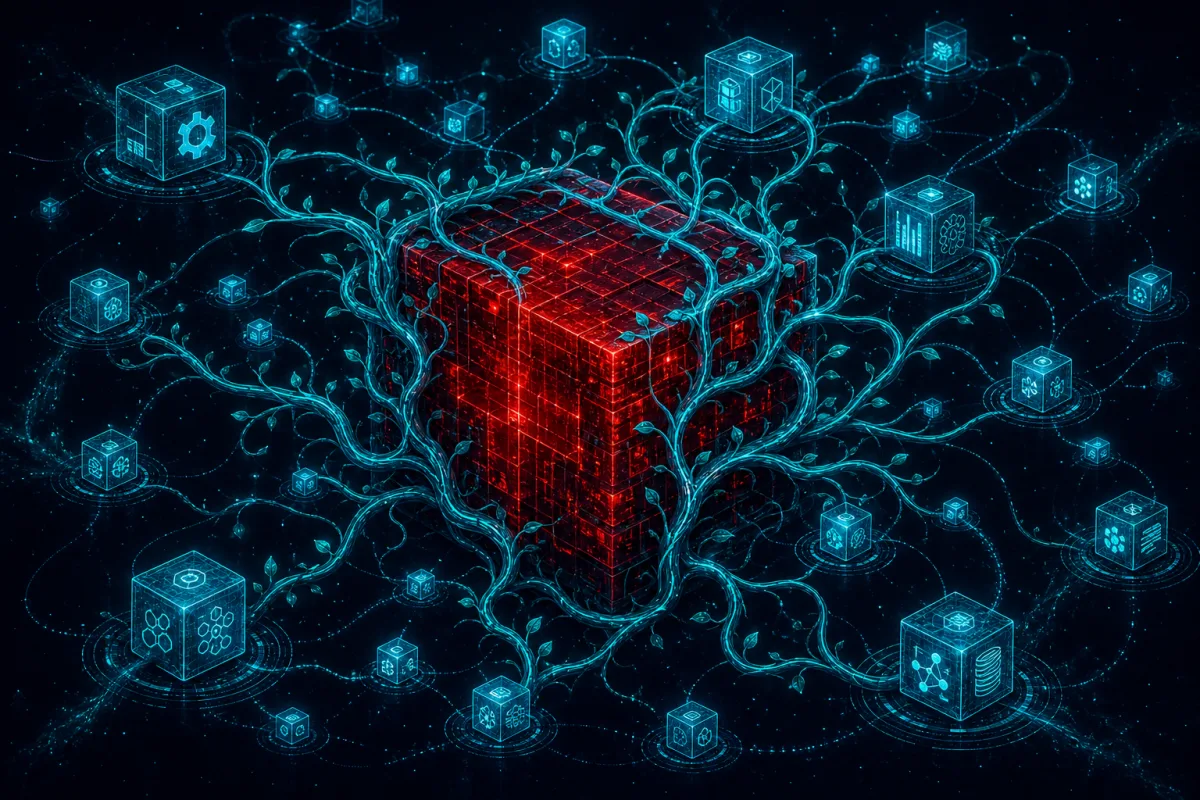
The strangler fig pattern (coined by Martin Fowler) describes the approach of incrementally replacing an existing system by routing specific capabilities to a new system while keeping the old one running. Over time, the new system replaces more and more functionality until the old system can be retired.
How it works in practice:
- Identify a discrete, relatively isolated piece of functionality (not the most complex, not the most critical — start with something medium)
- Build that functionality in the new architecture
- Route traffic for that functionality to the new system (via API gateway, feature flag, or proxy)
- Verify the new system works in production
- Remove the corresponding old code
- Repeat with the next piece of functionality
The proxy layer: Most strangler fig implementations use a routing proxy (Nginx, a thin API gateway, or a purpose-built router service) that directs requests to the old system or new system based on the request type and migration status. This proxy is the critical infrastructure — it must be reliable and simple.
Step 1: The Assessment
Before any code changes, understand what you have:
Coverage analysis: Run coverage tooling (Istanbul/nyc for JavaScript, pytest-cov for Python, etc.) to understand which code is actually exercised by tests and by production traffic. Untested code is your highest risk during modernization.
Dependency mapping: Understand how the legacy system's components depend on each other. What calls what? Where are the tight couplings? This map shows where the natural seam points are for the strangler fig cuts.
Traffic analysis: Which endpoints/functions handle the most traffic? Which are the most critical (errors there have the highest impact)? Start modernization away from the critical path.
Business logic identification: Interview the team to identify business rules that live only in the code. Document them before any changes. This is often the most valuable output of the assessment.
Deliverable: A technical assessment with risk-ranked modernization candidates and a prioritized roadmap.
Step 2: Stabilize Before Transforming
The worst time to modernize is when the system is actively breaking. Before the strangler fig, stabilize:
Add observability: If you don't have metrics, logs, and traces, add them before any refactoring. You can't modernize safely without knowing what the system is doing. Instrument the legacy code without changing behavior.
Add characterization tests: Michael Feathers' concept of "characterization tests" — tests that document what the existing code actually does, not what it should do. These tests let you verify that refactoring doesn't change behavior.
Freeze new feature development (temporarily): Stop adding features to the legacy codebase during the initial stabilization phase. New features on a fragile codebase increase the complexity of the modernization.
Resolve the most critical reliability issues: Fix the crashes and data integrity bugs first. Modernization is harder when the baseline is unreliable.
Step 3: Identify Seams and Start Cutting
A "seam" is a place where you can change behavior without modifying the surrounding code — natural boundaries between components where you can insert the new system.
High-value seams for early strangler fig cuts: - APIs with clear input/output contracts (easiest to replace) - Background jobs and batch processing (low real-time risk) - Data transformation and ETL components - Reporting and analytics (failure is low-impact)
Low-value seams for early cuts (avoid initially): - Core transactional flows with complex business rules - Authentication and authorization (too critical to get wrong) - Payment processing - Any component that's highly coupled to many others
First migration pattern: Pick one background job or one non-critical API endpoint. Build the replacement in the new architecture. Test it thoroughly. Route it through the proxy. Monitor it for a week. Retire the old code. Document the process. This first migration is as much about validating the migration process itself as about the functional replacement.
Managing Technical Debt During Modernization
Modernization takes months to years. You can't freeze all feature work during that time. Establish a policy:
Technical debt budget: Reserve 20-30% of engineering capacity for modernization work in every sprint. This prevents modernization from being perpetually deferred by feature work while keeping the business moving.
New feature policy: New features get built in the new architecture, not added to the legacy system (once the new system can support them). This starves the legacy system of growth and feeds the new one.
The "boy scout rule": Leave code better than you found it. Engineers making any change to legacy code improve it incrementally as they work — add a test, extract a function, add a comment. Small improvements compound over time.
When to Pull the Emergency Stop
Signs that the modernization approach needs to change:
- No visible progress after 6 months: If the legacy system isn't shrinking, reassess the strategy.
- New system is becoming as complex as the old one: You may be replicating the same architectural mistakes in new code.
- Team is demoralized: Endless modernization work without shipping new capabilities burns teams out.
- Business requirements are changing faster than modernization can track: The old system is being extended as fast as the new one can replace it.
In these cases, a focused conversation about strategy is needed — potentially including a more aggressive "inverse Conway maneuver" (reorganizing team structures to enable architectural seams) or a re-prioritized roadmap.
Rutagon provides legacy system assessment and modernization leadership for engineering teams. Contact us to discuss a technical rescue engagement.
Frequently Asked Questions
How long does a typical legacy system modernization take?
Realistic timelines: 12-24 months for a well-scoped modernization of a medium-sized codebase. Large enterprise legacy systems can take 3-5 years. The most important variable is how cleanly the codebase can be segmented and how much new feature development is happening concurrently. Teams that reserve 30%+ capacity for modernization consistently move faster.
Should we document legacy code before modernizing it?
Selective documentation is valuable; comprehensive documentation of legacy code is usually wasteful. Document the most complex business rules, the non-obvious edge cases (especially ones that caused production incidents), and the external system integration contracts. Don't try to document every function — that time is better spent on characterization tests.
What's the difference between refactoring and modernization?
Refactoring is changing the internal structure of code without changing its external behavior. Modernization is replacing legacy systems with new architectures, often changing the external behavior. Refactoring is lower risk and can happen continuously. Modernization requires explicit planning and phased execution. Both are necessary — refactoring within the legacy system while modernization replaces it at the seam level.
How do you handle database migrations during legacy modernization?
Database migrations are the hardest part of legacy modernization. The pattern: run old and new schemas simultaneously with synchronization (change data capture or dual-write), migrate data progressively, and retire the old schema only after the new system is fully live. Avoid big-bang database migrations in production at all costs.
What expertise should the modernization team have?
The modernization team needs: engineers familiar with the legacy system (institutional knowledge), engineers experienced with the target architecture (don't rewrite to an architecture nobody on the team knows), and a technical leader who can maintain the strategy under business pressure. External expertise (fractional CTO, consulting team) is often valuable for the initial assessment and architecture decisions.