Most engineering teams write postmortems after an outage. Far fewer teams write postmortems that actually prevent the same class of incident from recurring. The difference usually comes down to whether the process is genuinely blameless, and whether the action items get real follow-through instead of quietly disappearing from a backlog.
Why "Blameless" Isn't Just a Nice Idea
If postmortems implicitly assign individual blame, engineers rationally start optimizing for not being the person who gets blamed — which means less transparency about what actually happened, hedged descriptions of decisions, and a slower path to root cause. A genuinely blameless process treats the incident as a systems failure (the system allowed this mistake to cause an outage) rather than a personal one (this person made a mistake).
Structure of an Effective Postmortem
1. Timeline First, Analysis Second
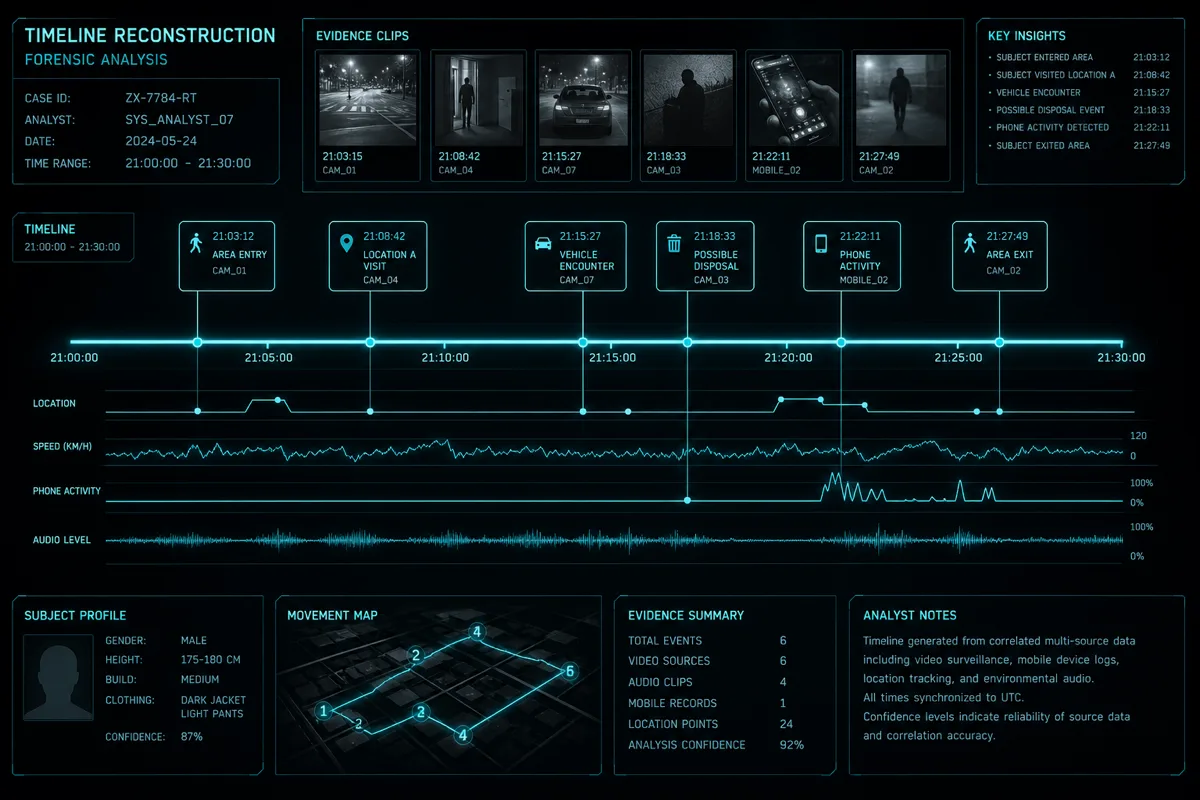
Before any discussion of cause or blame, we reconstruct a precise timeline: when the issue started, when it was detected, when each diagnostic and mitigation step happened, and when it was resolved. This grounds the discussion in facts before anyone starts interpreting them.
2. Multiple Contributing Factors, Not One Root Cause
"Root cause" framing tends to stop analysis too early — most significant incidents have several contributing factors that combined to cause impact. We push past the first plausible explanation to identify the full chain: what code change introduced the bug, why testing didn't catch it, why monitoring didn't alert sooner, and why the on-call response took as long as it did.
3. Impact Quantification
Concrete numbers — duration, affected customer count, revenue impact if measurable — ground the severity assessment and help prioritize the resulting action items against other engineering work.
4. Action Items With Owners and Deadlines
The most commonly skipped step. An action item without a specific owner and deadline is a wish, not a commitment. We require every postmortem action item to have both, and we track completion in a visible dashboard rather than letting items live only in the postmortem document itself.
## Action Items
- [ ] Add alerting for queue depth > 10k (Owner: @sarah, Due: 2026-07-15)
- [ ] Add integration test for retry exhaustion path (Owner: @mike, Due: 2026-07-10)
- [ ] Document runbook for database failover (Owner: @sarah, Due: 2026-07-20)
The Follow-Through Problem
We've seen many teams write thorough, well-structured postmortems whose action items simply never get done — competing priorities push them down the backlog indefinitely, and the same incident class recurs months later. Fixing this requires treating postmortem action items as a distinct tracked category with visibility at the engineering leadership level, not just another backlog ticket competing with feature work on equal footing.
When to Write a Full Postmortem
Not every incident warrants the full process — a clear severity threshold (based on duration, customer impact, or revenue impact) keeps the postmortem process meaningful rather than becoming process theater applied to every minor blip. We help teams calibrate this threshold based on their actual incident volume and engineering capacity.
Running the Postmortem Meeting Itself
The meeting should focus on filling gaps in the timeline and validating the contributing factors analysis, not re-litigating decisions made under pressure during the incident. A facilitator (often the fractional CTO role in engagements where we're brought in for this) keeps the discussion focused on systems and process rather than drifting toward individual performance.
Results
For one client, implementing a genuinely blameless postmortem process with tracked, owned action items reduced repeat incidents in the same subsystem by a meaningful margin within two quarters — the key change wasn't writing better postmortems, it was ensuring the resulting fixes actually got built.
Want help building an incident response and postmortem process that actually reduces repeat outages? Book a project diagnostic — 907-841-8407 or contact@rutagon.com.
Frequently Asked Questions
What makes a postmortem process genuinely blameless?
Framing the incident as a systems failure rather than an individual mistake, focusing analysis on what allowed the failure to occur and cause impact rather than who made an error. This encourages transparency during the investigation instead of defensive, hedged accounts of what happened.
Why do postmortem action items often not get completed?
They frequently compete directly with feature work in a general backlog without a distinct tracking mechanism or leadership visibility, so they get deprioritized indefinitely. Treating them as a separately tracked, visible category with explicit owners and deadlines significantly improves completion rates.
Should every incident get a full postmortem?
No — a clear severity threshold based on duration, customer impact, or business impact keeps the process meaningful. Applying full postmortems to every minor incident leads to process fatigue and lower-quality analysis on the incidents that actually matter.
What's the difference between "root cause" and "contributing factors" analysis?
Root cause framing tends to stop investigation at the first plausible explanation. Contributing factors analysis pushes further, identifying the full chain of conditions — code changes, testing gaps, monitoring gaps, response delays — that combined to produce the incident's impact.
Who should facilitate a postmortem meeting?
Someone not directly involved in causing or responding to the incident, who can keep the discussion focused on systems and timeline rather than individual performance. This is often a role a fractional CTO fills in engagements focused on engineering process improvement.